Investors
Access our investor portal or contact our team with investor or partnership inquiries.
Investor Portal Access
Access our secure portal to view investor resources and materials. Use the password you received or request one from our team.
What Sets Us Apart
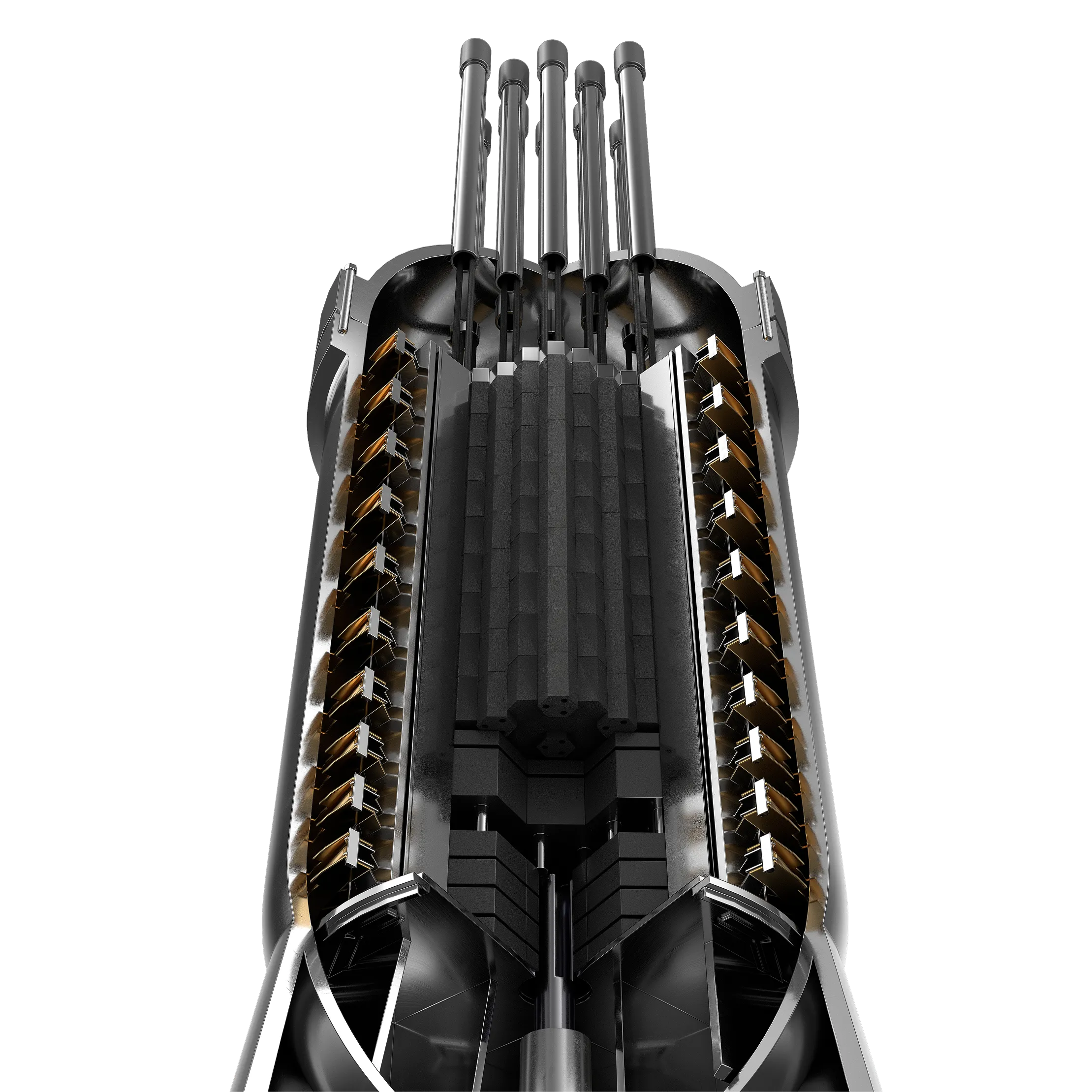
The decades-long operating history of Japan’s HTTR, supported by extensive publicly available data, provides a strong foundation for ZettaJoule’s modernized technology. This enables a more predictable licensing and construction pathway compared to first-of-a-kind SMR concepts.
Proven Technology
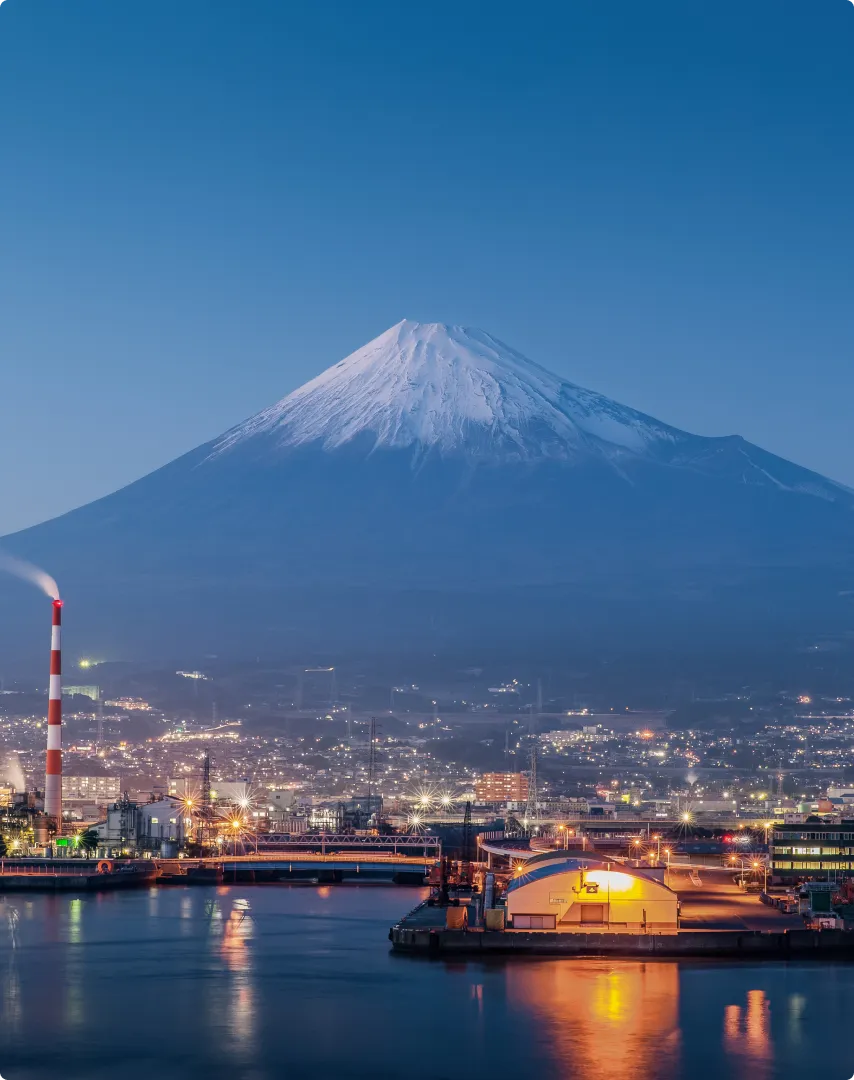
We stand alone among Western advanced SMR companies in modernizing proven, publicly available high-temperature gas-cooled reactor (HTGR) technology based on an existing plant. Data from the Japan Atomic Energy Agency’s High Temperature Engineering Test Reactor (HTTR), in operation since 1998, provide the foundation for ZettaJoule’s advanced SMR technology.
Impact Across Industries
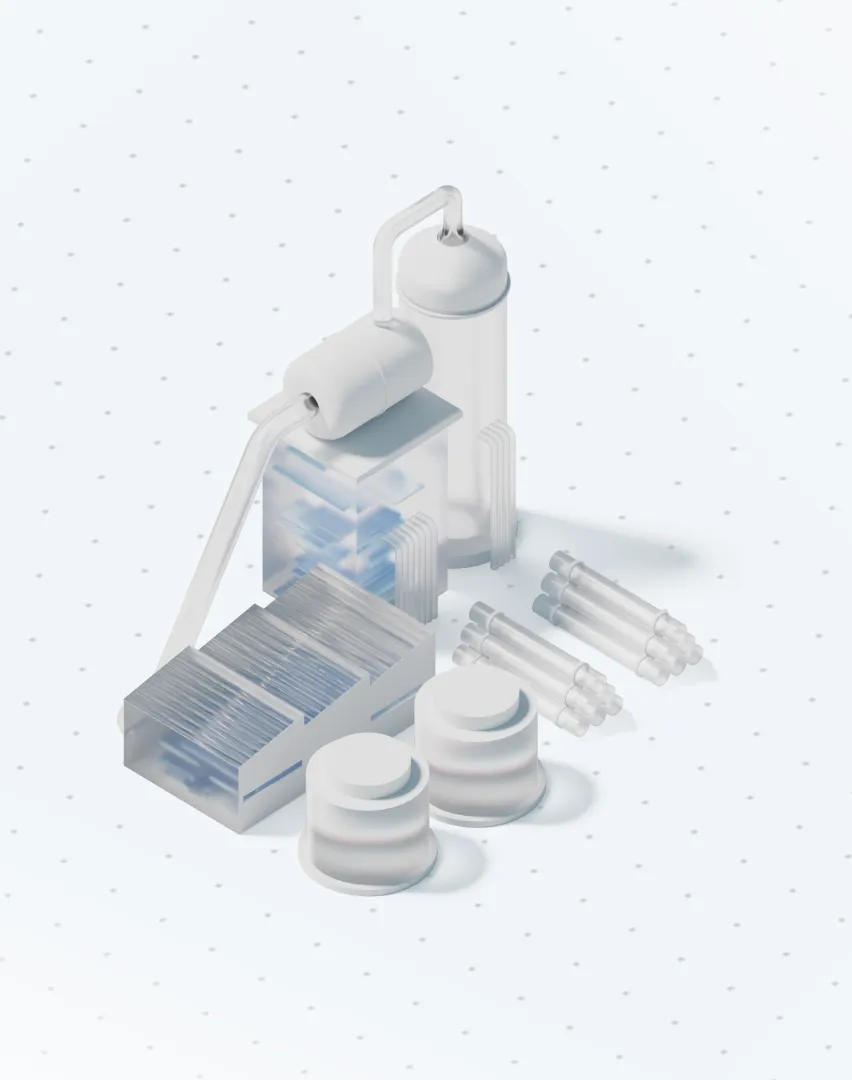
With the ability to generate unmatched heat up to 950 °C and provide reliable electricity, the ZettaJoule advanced SMR will unlock transformative energy solutions across sectors such as oil and gas, mining, chemical manufacturing, sustainable aviation fuel production, steelmaking, data centers, e-fuels, and utilities.
Built for Safety
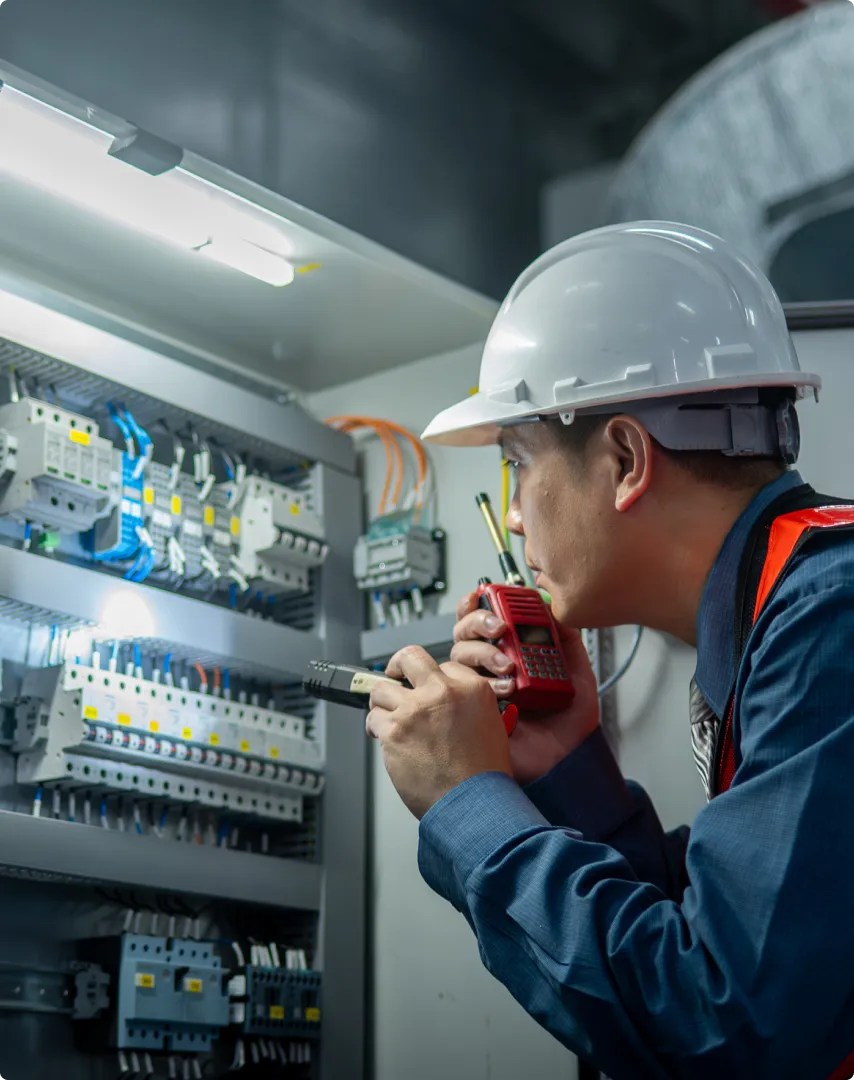
ZettaJoule’s ZJ reactor will be graphite-moderated and helium-cooled to enhance operational safety while improving overall performance. It will use TRISO fuel consisting of uranium particles individually encapsulated in multiple protective layers of pyrocarbon and silicon carbide, which retain fission products even at temperatures as high as 1600 °C.